RLS isn't AI infrastructure — it's AI safety infrastructure.
Row-level security is the cheapest guardrail in the modern AI stack, and the one people skip first. Why your data access layer is where AI safety actually lives.
I'm Sam Keil — 15+ years turning ideas into measurable products. Director of PreCredits and Santal Organic. Builder, operator, and a working partner to senior teams putting AI into practice.
15+ years delivering pure digital and digitally-led physical products across fintech, retail, e-commerce and wellness. Comfortable moving between boardroom conversations, stakeholder workshops, Figma files, Supabase schemas and customer interviews in the same week.
I bring a rare blend: the strategic lens to shape an AI roadmap that fits a real business, plus the technical and delivery chops to actually build it — securely, cheaply, and with the right guardrails.
Alongside running PreCredits and Santal Organic, I take on selected senior AI work where the mix is useful — AI product leadership, head of AI, fractional AI engagements, or hands-on build projects. The four ways I engage are below.
From full-time leadership to short, sharp builds — I can meet a business where it is in its AI journey.
A day or two a week, for businesses not ready for a full-time hire but serious about doing AI well. Strategy, governance, roadmap, vendor selection, and hands-on where it helps.
Head of AI, AI Product Lead, Director of AI, or equivalent. Owning AI strategy and delivery for a business that's ready to put real resources behind it. The right mandate for a founder bringing 15+ years across fintech and operations into a single, well-resourced AI function.
Shorter, scoped engagements: AI opportunity assessments, governance design, responsible-AI playbooks, build-vs-buy reviews, or team coaching. Clear deliverables, fixed timeframes.
I still love building. If you need a working AI prototype or MVP shipped in weeks not quarters — Lovable, Claude, Supabase, Vercel — I do that too. Best for validating an idea before committing serious spend.
End-to-end delivery of a regulated tokenised store-credit platform — from concept and regulatory model through product build, launch and iteration. Built with Claude + Lovable as the delivery method, Supabase-backed, Vercel-delivered. Three consecutive R&D Tax Incentive filings. Still running and iterating.
Stood up a boutique massage and wellness clinic end-to-end: site selection, lease negotiation, fit-out, brand, website, online booking, payments and day-to-day operations. A reminder that product thinking works just as well for a physical business as a digital one.
Founded Australia's first direct-to-consumer personalised pet food company, solo. Scaled to 30% month-on-month subscriber growth through 2018 — 93 → 240 active subscribers in just five months, with annualised forward revenue climbing from ~$65K to ~$170K in the same window. Led product, e-commerce, operations, marketing and funding. Sold my shares and exited; the brand continues to operate today. Covered in SmartCompany and Inside FMCG.
Supported the City of Melbourne's Smart City Office — the team inside council responsible for the digital strategy, startup ecosystem and innovation programs that feed into the 10-year Future Melbourne plan. Coordinated a large stakeholder events program and contributed research on the city's startup ecosystem that informed council decision-making.
The Petzyo story gets told in 2 sentences on most CVs. Here's the longer version — the decisions, the experiments, what worked, what didn't, and what the exit actually looked like. For the public-facing write-up, see the SmartCompany feature and petzyo.com.au.
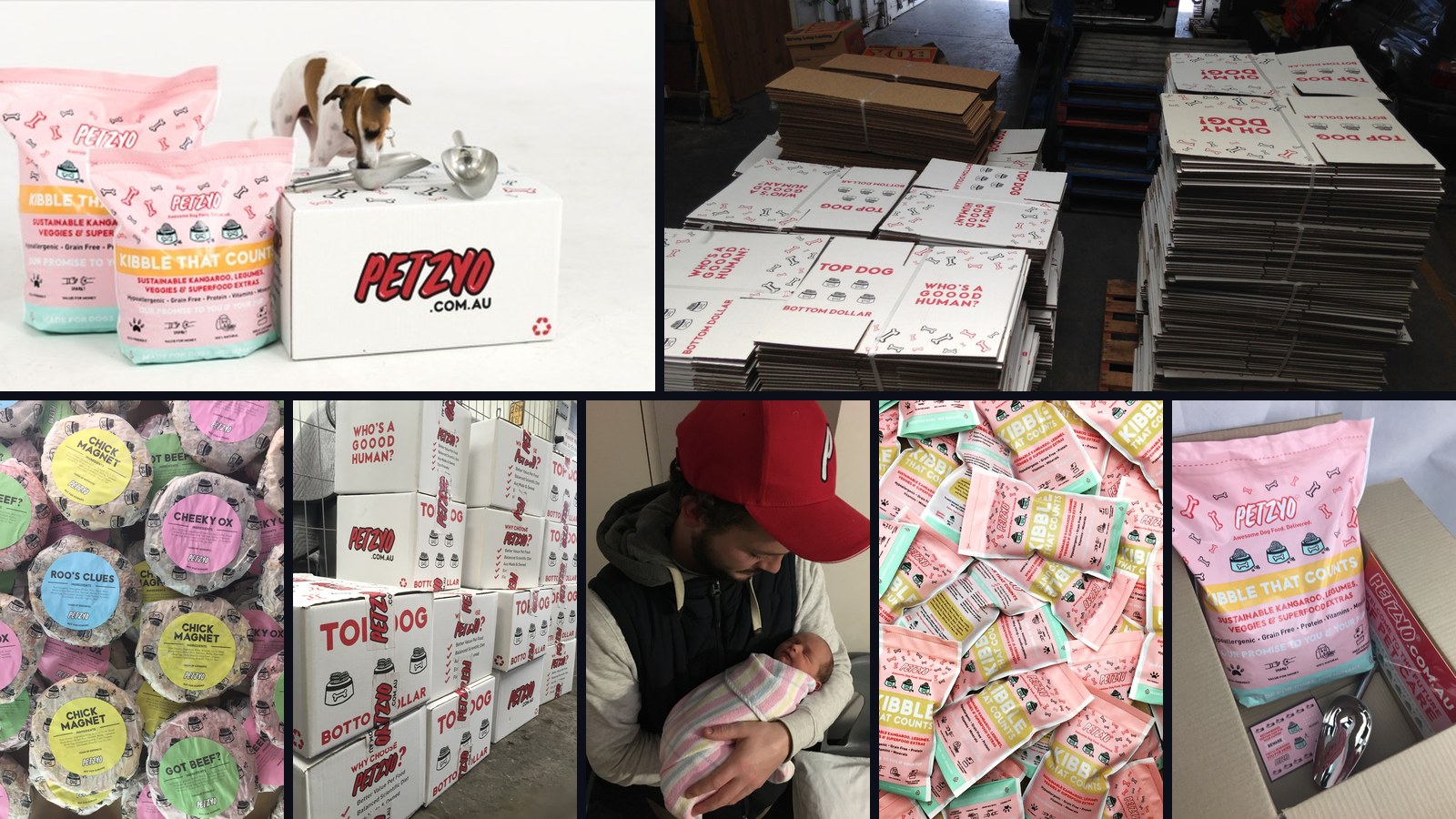
The Petzyo plan engine was a simpler version of what any AI recommendation or agent system has to do — signals, decisions, fallbacks when wrong.
30% MoM came from dozens of small tests, most of which failed. The same tempo I run AI pilots on now.
I didn't own a factory; I owned the brand and the operating spec. In AI: own the data access rules, prompts, and evaluation — not the model.
Refunds, replacements, honest conversations — they built the brand. AI equivalent: how gracefully the system handles hallucination and escalation.
Ten chapters: concept, two business plans, prototypes, the investor memorandum, the exit — and the founder lessons most expensive to learn firsthand.
Santal Organic is a small wellness clinic my wife and I opened together in 2025. The long version covers the category read, the site search, the lease, the fit-out, the brand, the booking and payments stack, and the operating rhythm we've settled into since opening — product thinking applied to a physical business.
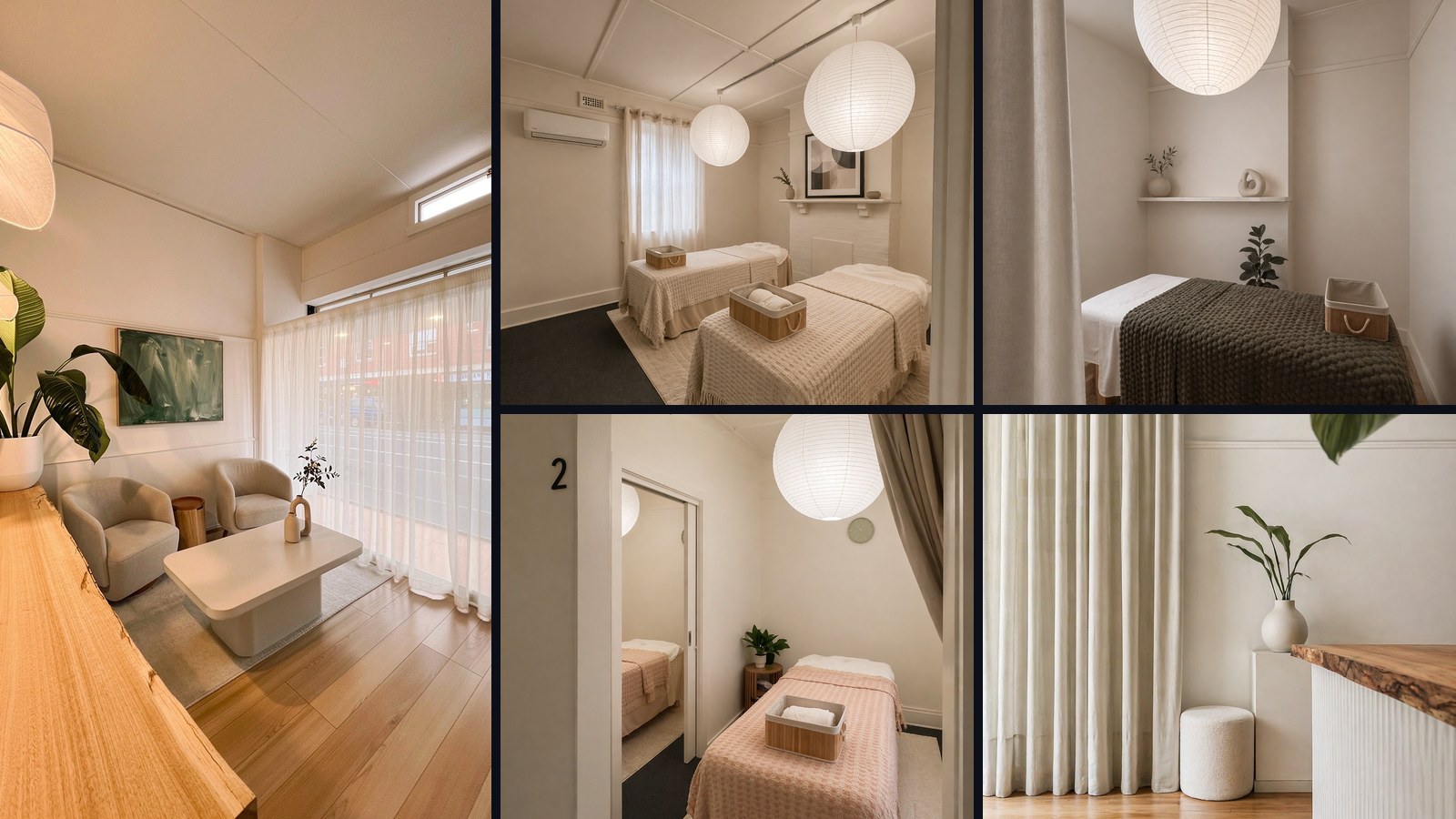
Every downstream decision — fit-out cost, rostering, acquisition cost — is shaped by the lease you sign. Model scenarios before heads of terms, not after.
Linens, lighting, acoustics, the reception counter. Back-of-house joinery goes plain. Nobody remembers the office.
Best-in-class booking, payments and comms — stitched together, not custom-built. Own the customer relationship and the rebook moment.
Soft open, fix the twenty small things only real clients notice, then open to the public. The same tempo as shipping software.
Eight chapters: concept, site & lease, fit-out, brand, booking & payments stack, opening & ops, the numbers that actually matter, and what product thinking really transfers to a physical business.
My approach to AI is built on being fair and reciprocal with the people who use it, acknowledging the intent behind every interaction, and staying cautious and measured with trust. AI systems earn trust incrementally — with transparency, observability, human oversight and the right guardrails before you turn the scale up.
Row-level security in Supabase (or similar) so the AI can only see what the current user is allowed to see. Security isn't bolted on — it's a data-layer property.
Agent style, tone and task prompts live in versioned, editable documents — not in code. Product and compliance can review and change behaviour without a deploy.
Use the right model for the job. Small, cheap models for classification and routing; premium models for reasoning and drafting. Easy to swap as the market shifts.
Supabase-style backends, Vercel-style delivery, Lovable/Claude for rapid iteration. Ship a safe prototype in days, validate with real users, scale only what earns its place.
The capabilities I've built over 15+ years — and apply to every engagement, whether it's a full-time role, a short-term build, or an advisory brief.
Accredited 5-star (Diamond Level) Lovable AI Developer. Production software with Claude, Lovable, Supabase, Vercel and modern LLM tooling. Fluent from Figma through to deployed, monitored product.
A career built on it — from founder negotiations at Petzyo and supplier deals, to coordinating external advisory teams at PreCredits, to delivering council-wide programs at the City of Melbourne's Smart City Office and senior-executive events at FACCI.
I've worn product, operations, finance, legal, marketing and customer support hats in the same week. I can sit with any team, ask the right curious questions, and translate their problem into something AI can actually help with — or tell them honestly when it can't.
This very site is the evidence: a technical story, explained in plain English, with working demos. I've also written R&D Tax Incentive submissions for three consecutive years — a discipline in making complex technical work understandable to a non-technical audience.
Founded Petzyo solo, ran it to 30% MoM at peak and exited. Took PreCredits from concept to operating fintech. Stood up Santal Organic Massage end-to-end — site selection, fit-out, brand, booking system, operations. I build what I plan.
My default posture is cautious and measured. Data security via row-level security; prompts as versioned documents so compliance can review behaviour without a deploy; human-in-the-loop on anything affecting a customer outcome; model-agnostic design so risks can be isolated and controlled.
I start with the people using the thing — agents, engineers, customers — and work back from there. Influence by being useful: show a working prototype, invite critique, iterate. Trust compounds when the work is visible.
I've signed the leases, raised the rounds, made the hires and the exits. Every AI decision gets filtered through a commercial lens — what does this cost, who pays, what's the opportunity cost, when does it break even? The boring questions that make the difference.
Things I keep finding myself saying in meetings, turned into something I can link to. More coming.
Row-level security is the cheapest guardrail in the modern AI stack, and the one people skip first. Why your data access layer is where AI safety actually lives.
Prompts are product — they set tone, behaviour and risk posture. If compliance can't edit them without a deploy, you're doing it wrong. A small pattern, a big unlock.
Most AI projects fail not from lack of ambition but from too much of it. Why measured rollouts with real observability beat ambitious rollouts with hopes and dashboards.
Lovable + Claude + Supabase. What works, what's still hard, what I'd tell a founder starting today. Lessons from shipping PreCredits end-to-end.
End-to-end: regulatory model, product, build, go-to-market. AI-accelerated throughout (Lovable, Claude, Supabase).
Opened a boutique clinic end-to-end: site, lease, fit-out, brand, booking system, ops. Hands-on across physical and digital.
Time-bound closure project taken alongside other ventures. Operated machinery, managed inventory, contributed to smooth and reliable delivery of the program.
Founded solo, grew to 30% MoM at peak, consistent use of data and experimentation, sold shares and exited.
Delivered a large stakeholder events program and contributed startup-ecosystem research feeding into the council's 10-year plan.
Delivered end-to-end membership revenue and flagship events. Worked closely with senior executives and sponsor partners.
If you're building something with AI — or about to — the doors below.